
A new role for food packaging as a strategic tool for change
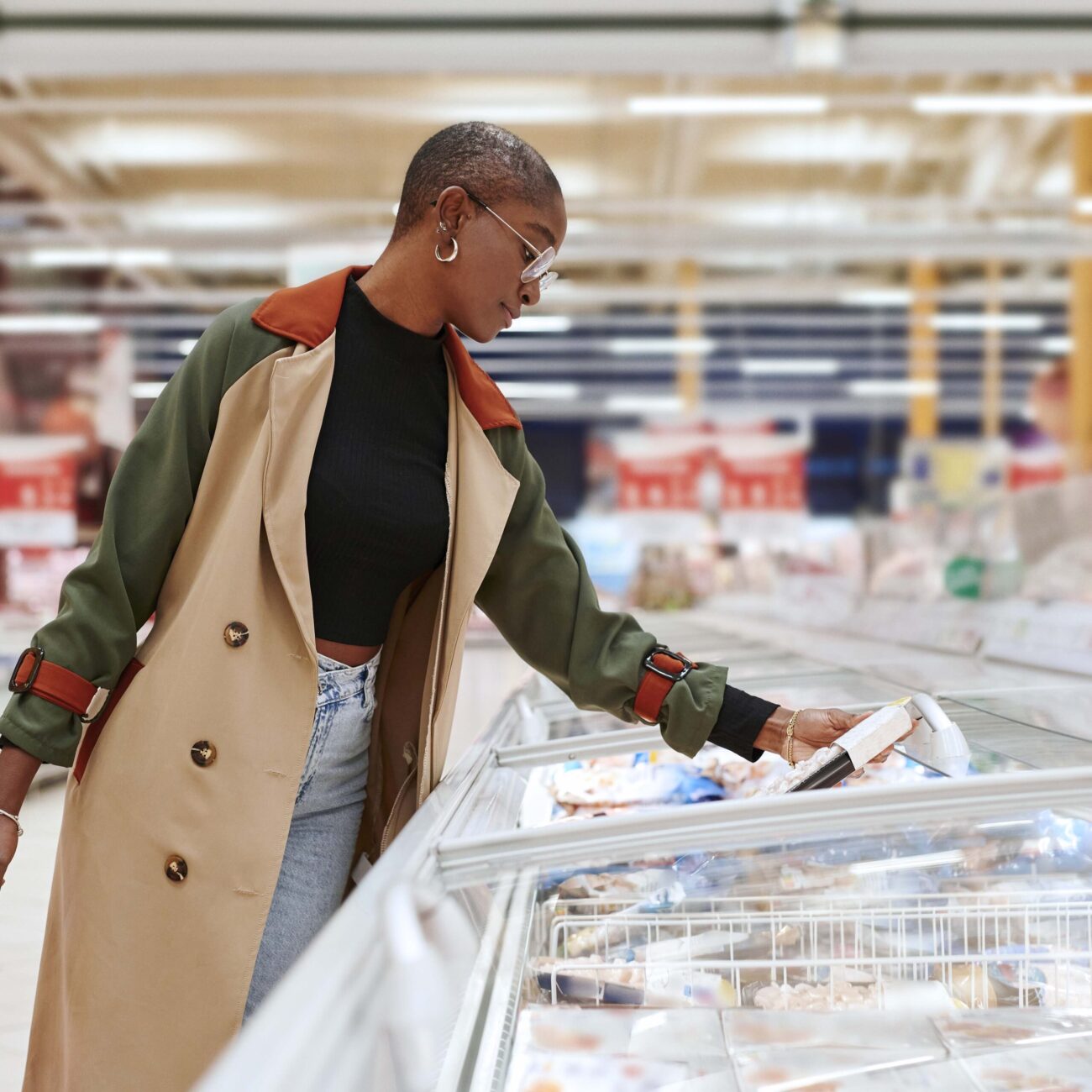
There is a double momentum to act now and make the transition to recyclable food packaging. The regulations will soon demand it, and many consumers already do.
We tend to look at food packaging as a means to protect food and enhance brand recognition. However, in a world that needs to radically reduce GHG emissions, packaging is quickly becoming the key tool for consumers and brand-owners alike for achieving large-scale change.
There are two forces adding to the momentum. The first one is EU regulation. The Packaging and Packaging Waste Regulation is pushing the packaging industry to prepare for circularity by 2030 and the Corporate Sustainability Due Diligence directive will, among other things, force companies to draft a roadmap for how they will reduce their emissions in line with the 1.5 C Paris agreement. The second momentum is coming from consumers who are expressing increasingly vocal demands on companies to provide sustainable alternatives to empower them to make sustainable choices.
The biggest change in the packaging industry
The current numbers show a grim picture. Around 40% of plastics and 50 % of paper used in the EU is destined for packaging. On average, each European citizen generates over 180 kg of packaging waste. This figure has grown by over 20% in the last years and shows no signs of slowing down. Alarmingly, the reuse of packaging has simultaneously dropped.
The EU is determined to change this trajectory with the Packaging and Packaging Waste Regulation expected to come in to force in autumn 2024. Foreseen to be the biggest change in the packaging industry in 30 years, it will fundamentally change how we design, produce, source, use, and perhaps most importantly: recycle and reuse packaging. By 2030, all packaging on the EU market must be recyclable and soon after also recycled at scale, i.e. collected, sorted and recycled through installed infrastructure and processes. The packaging will be measured by recyclability criteria for different categories. Packaging not reaching 70% recyclability will face market restrictions and eco-modulated Extended Producer Responsibility (EPR) fees are already now driving packaging towards higher levels of recyclability. For packaging with plastic content there will be requirements regarding the minimum content of recycled materials from post-consumer sources.
The regulation is providing the needed external push to create change in a coordinated manner. Simultaneously, there is a clear internal driver among consumers who want to do their share in contributing to a sustainable planet.
The connecting power of food
Consumers face plenty of decisions where they can choose sustainable options that make a big difference like switching to an electrical car or making sure their homes are energy efficient. However, these tend to be bigger one-time investments and hence more difficult and costly to implement. But the one thing that connects all human beings on the planet is the need to get food on the table every day. So if we collectively succeed in empowering consumers to make wise daily choices such as choosing circular food packaging, it will result in significant reductions in GHG emissions.
About 47% of consumers report that they only buy what they need and try to avoid creating waste at all costs. Nearly 50% say they try to minimise electricity usage and sort their waste in separate bins for recycling. About 40% report eating leftover to minimise food waste and around 30% always tries to buy recyclable packaging.
In other words, there is a clear shift in consumers’ attitudes. However, their good intentions are not always seen in their behaviour largely due to practical restraints or lack of viable options.
This is where brand-owners along with the rest of the corporate world are well-advised to take the lead. In fact, over 50% of European consumers say that they expect brand owners to play a key role in the transition towards sustainable societies.
How should corporations respond?
To minimise food waste, standing for up to 9 % of global emissions, the right kind of food packaging is critical. Yet, as the production of food packaging itself gives rise to big GHG emissions, we need to focus on how these can be minimised. There are several ways to bring down these emissions such as packaging design, print technology and shorter transporting distances. The type of packaging material chosen is key. Selecting raw materials with a lower environmental impact is crucial, as they represent the largest share of scope 3 emissions.
To curb the trend of growing packaging waste, it’s adamant that we get the circularity of packaging going for real. Brand-owners, retailers and distributors can respond by making the transition towards easily recyclable fibre-based packaging.
It is increasingly favoured due to stricter legislation on plastic packaging and the fact that the paper recycling stream is well-established. Consumers are assured that the paper is recycled, which enhances their incentives to place the packaging in the recycling bin, and there are clear secondary uses for recycled fibre content.
The world has the needed technology and recycling solutions to switch to full circularity. Now we need action. This is a good time to capitalise on this double momentum that regulation and consumers’ increasing demand for recyclabe solutions is creating.
Food packaging has a great value in protecting the food we eat and as a means for brand-owners to differentiate their products. But in today’s world, it has a new role in presenting a strategic opportunity for the food industry to align itself with consumers’ values. Food packaging is becoming one of the most important ways to empower consumers to make choices that support a circular economy.
Every single day.
Sources: Nielsen IQ, EU commission report.