
Packaging as a strategic asset
The PPWR is shaping the food industry. Packaging design expert Marius Tent sees the shift as an opportunity to reimagine packaging as a strategic value-creating asset.
The biggest transformation in the food industry in decades is at our doorstep.
Most packaging on the EU market, including much of the food packaging placed on the market, must comply with EU design-for-recycling criteria from 2030 and with recycled-at-scale criteria from 2035. What does it really mean for brand owners and how should they respond? Marius Tent, a long-standing veteran of the packaging industry and founder of both the European packaging consultancy Via Packaging UG and the insights platform 360PackMastery.com, is a leading advocate for circular packaging solutions. Having worked with major food brands and consortiums across Europe to make packaging that is sustainable, functional and user-friendly, he has long argued that packaging must do more than just meet compliance.
“Beyond functionality and sustainability, it is the enhancement of user experience that ultimately drives true value”, he says.
Recognized by peers as a passionate and pragmatic voice in the packaging industry, he is often described as a “packaging agnostic” who does not favor one material over another. Instead, he sees value in each format depending on its function and context. The real challenge is avoiding complex, multi-material solutions.
“Packaging should be designed with simplicity at its core, both for collection and for sorting,” he explains. “This means selecting materials that are easily identified by sorting technologies and eliminating components that contaminate recycling streams or reduce the quality of recycled materials. The easier the separation, the more efficient and effective the recycling process.”
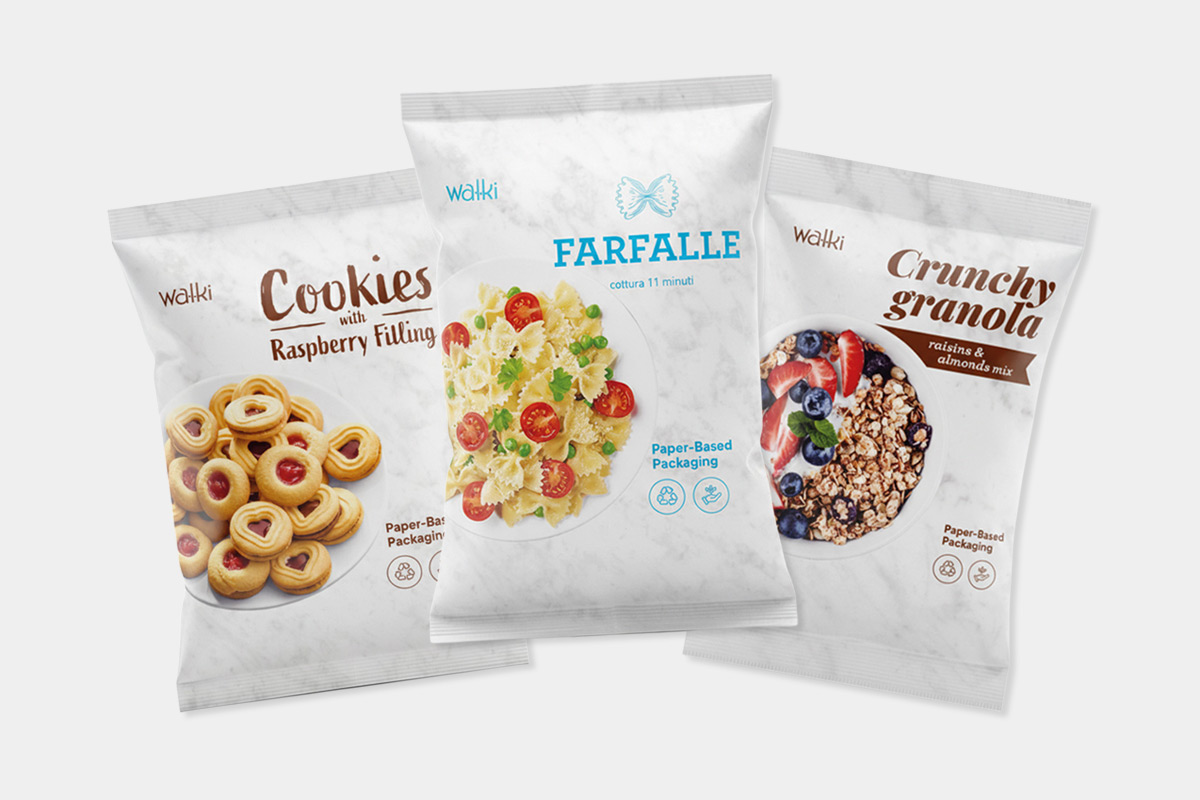
Ideally, this is considered already in the design phase. Take a package of pasta for instance. Consumers are used to seeing the pasta through a transparent film in otherwise fibre-based packaging.
“We all know what pasta looks like. Do we really need that window, making the package multi-material and more cumbersome to separate for recycling?”
According to Tent, successful food packaging design starts with five essential criteria. It must be visually compelling and intuitive to use, technically and economically manufacturable, commercially sound, aligned with circularity and environmental goals and on brand, meaning a natural extension of the brand’s identity.
“Balancing all five is a complex equation where even a single misstep can determine whether a packaging solution succeeds or fails.”
Major shift under way
Tent views the PPWR as the most transformative shift the packaging industry has seen in decades.
“It is not a burden, but rather a significant opportunity. With the right approach and a clear sense of urgency, it can drive real progress for forward-thinking brand owners. Packaging is not just a cost but a strategic asset that creates value on multiple levels. For users, for the planet, and for the business.”
Brand owners face two choices: comply with a minimum-effort mindset or embrace the change as chance for real innovation.
“You can settle for just ticking the boxes or you can lead the change. The latter means shaping the systems that will define how we live sustainably in the future.”
But to make it happen requires system thinking and large-scale collaboration across the value chain and throughout the whole packaging eco-system.
“While innovation in materials and packaging often grabs the spotlight, equal attention must be given to advancing waste management technologies. Efficient sorting and recycling systems need to be accessible, scalable, and practical for all stakeholders. The scale of change we’re seeing is unprecedented. This is the moment to lead: those who don’t seize the sustainability agenda risk falling behind.”
To read more about Marius Tent’s work, please visit www.360PackMastery.com.