
Walki makes recyclable, light and firesafe materials for a fully circular future for EVs
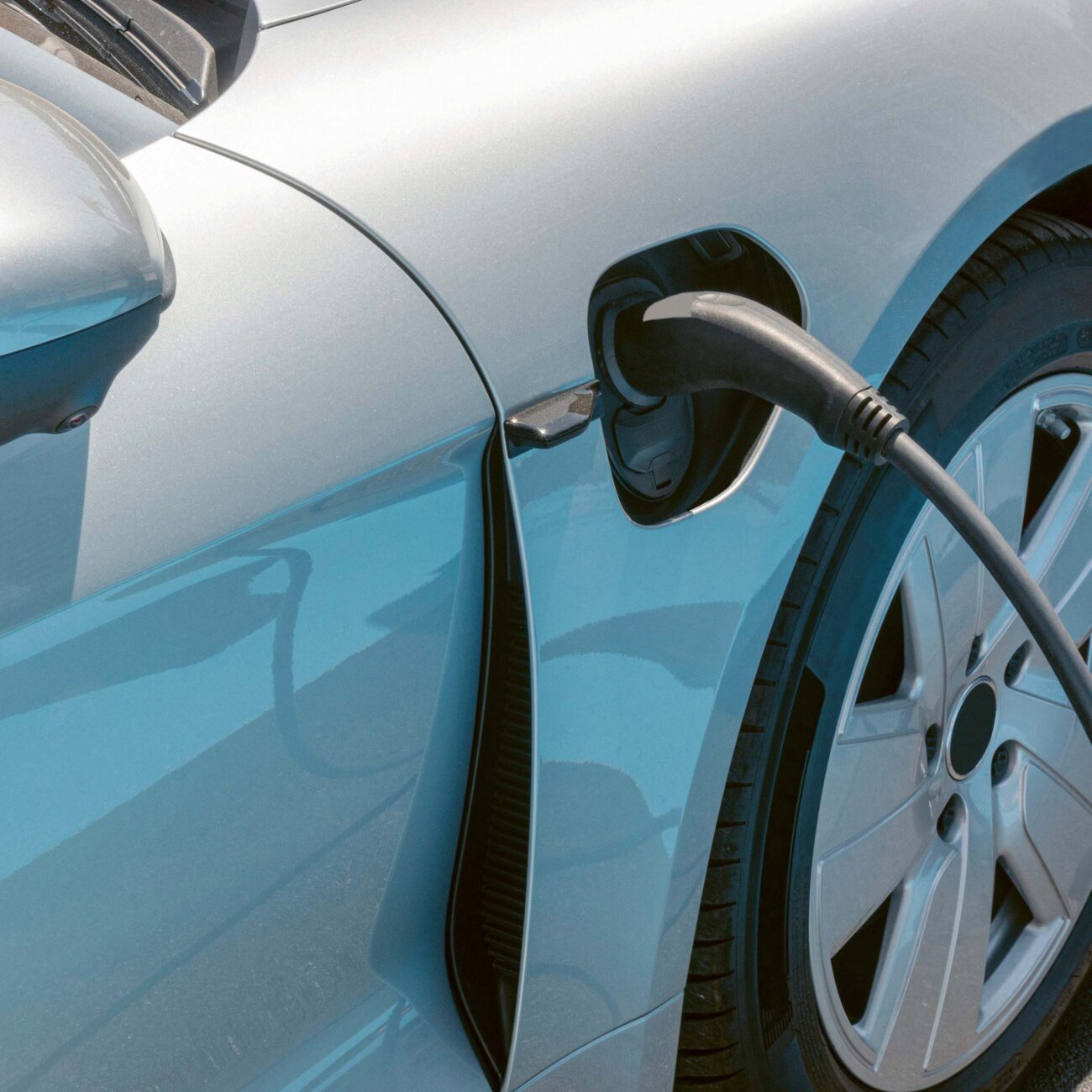
Electrifying the automotive industry is critical for curbing carbon emissions. Walki’s role in the electrified future is to provide recyclable and firesafe materials that contribute to the vehicle’s energy efficiency.
The demand for lithium iron and cobalt, the two most critical minerals for batteries, is soaring. According to a fresh report from McKinsey, a consultancy, approximately 90% of future demand will be consumed by the EV industry. As some fear that there won’t be enough of these vital minerals to sustain the soaring need, attention is increasingly turned towards recyclability of batteries.
The focus on making other parts in an electric vehicle recyclable is just as important. A lot of energy goes into making the materials in the cars such as upholstery and underbody shields. Ensuring recyclability of these materials is important for achieving a fully circular future for electric vehicles.
This will require large-scale collaboration from the whole automotive industry.
“It is crucial to include suppliers from the whole supply chain since success in creating a second life for batteries and other parts in an EV can only be achieved if these needs are incorporated already in the beginning of the design phase. Close cooperation throughout the whole supply chain will lead to more sustainable EV designs which is vital for an electrified future and a healthier planet”, says Tim Van Everbroeck, TSD Engineer for Engineered materials at Walki.
Lighter materials, better energy efficiency
The lighter the vehicles, the longer the lifetime of the battery made out of precious minerals. One route to decreasing weight is choosing light materials.
“At Walki, we have a long experience from working with the automotive industry. We have a proven track record in replacing standard polymer materials with more sustainable components. These are not only lighter but also recyclable and fire safe“, says Van Everbroeck.
Achieving fire safety with the right materials
Although fires in electric cars are rare, it’s important to acknowledge that when lithium-ion batteries catch fire, things can get out of hand faster compared to conventional cars. The batteries burn hotter and faster, which leaves less time for extinguishing the fire. That is why it’s very important to also encompass fire safety when choosing materials such as underbody shields and upholstery.
“We have been working on sustainable flame-retardant materials for the construction industry for decades aEverbroeck.